
When connecting a client to a server, datacenter proxies mediate the connection. Customers are given IP addresses by these proxy servers that are not associated with their Internet service providers (ISPs). Instead, they are supplied by different cloud service providers. By far, the greatest advantage of datacenter proxies is the anonymity they provide when online.
To get more useful information regarding datacenter proxies, keep reading.
What are Datacenter Proxies?
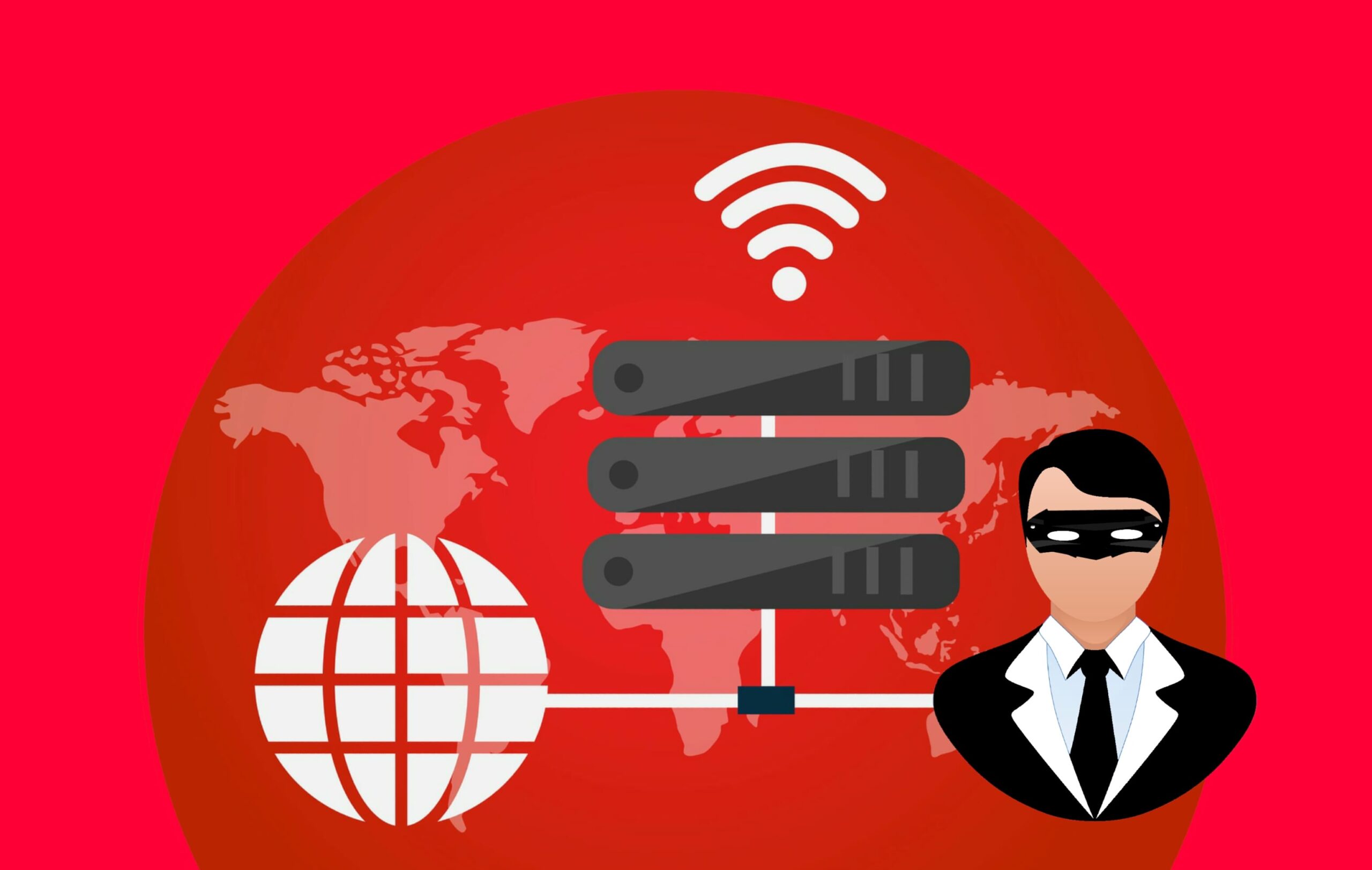
A datacenter proxy functions similarly to other proxies; it forms an intermediary between an internet-connected device and the desired website.
IP address management, which is customary for the access point, is delegated to the gateway software. Upon attaining an internet connection, it proceeds to lease the resource from a datacenter. By using a proxy, the user can completely change their online persona and appearance on any given page.
Their physical location distinguishes datacenter proxies from their residential and mobile counterparts. Datacenter proxies obtain their IP addresses from a datacenter filled with servers, rather than the actual IP addresses of users or a fleet of mobile IPs used by other proxy services. Therefore, it is common for datacenter proxies to operate with lower latency and higher throughput.
By masking the user’s true IP address with a datacenter’s IP address, this proxy makes it appear as though the user is in a foreign country. This stand-in can be employed for good or evil while keeping that appearance.
How Do Datacenter Proxies Work?
A datacenter proxy is much like any other proxy in operation:
After buying the proxy, a user installs the gateway software on their device. One of the servers in the datacenter assigns the device an IP address when it initially connects to the internet. The user can access their site with a reasonable level of anonymity after getting a new IP address.
If the software is installed, this method can be executed on nearly any device. Although some companies offer this service for free, most of them require a subscription. They also allow users the opportunity to lease IP addresses in bulk, which is useful for those who need more than one.
Who Should Use Datacenter Proxies?
Datacenter proxies have a wide variety of uses, including the following:
1) Social Media Account Management
An area where datacenter proxies excel is in maintaining social media accounts. They offer an extra degree of security that eventually hides your identity and your real IP address. Proxy servers can circumvent IP prohibitions, enable geo-targeting, and secretly monitor competitors’ social media accounts. Furthermore, datacenter proxies can be used by frameworks and tools such as Puppeteer and Selenium to automate social media.
2) Scraping Website Data
Web scraping – the practice of obtaining publicly available data from websites is the most prevalent use case for datacenter proxies. Web scraping solutions use proxy servers to circumvent IP bans, increase anonymity, access geo-restricted content, and speed up public data collection.
Octoparse, Puppeteer, Scrapy, Selenium, and Beautiful Soup are among the most well-known frameworks for web scraping. Together, datacenter proxies and such technologies make large-scale public data collection easier.
3) Buying Limited Stock Products
Purchasing scarce items is a common use case for datacenter proxies. Certain things are hard to come by because of their limited supply and great demand, such as concert tickets, high-end apparel, footwear, artwork, and antiques. Datacenter proxies can help customers bypass store restrictions on things like the maximum size of a customer’s shopping cart or the number of items a single user can purchase.
Datacenter proxies can automate these procedures at scale when demand for a product is high and there is an urgent need to rapidly transmit many purchase requests. Technically, a variety of networking methods, including rate limits, IP blocks, geo-restrictions, and others, are used to achieve these limitations.
4) SEO Monitoring
In order to circumvent search engine scraping measures such as IP restrictions, CAPTCHA, and rate limitations, datacenter proxies are frequently employed for geo-restricted content analysis, technical SEO analysis, keyword research, rank tracking, Competitor analysis, SEO monitoring purposes, and countless other significant SEO monitoring use cases can greatly benefit from datacenter proxies.
5) App Deployment and Testing
The process of releasing an app to a specific platform, such as a mobile device, is called app deployment, and datacenter proxies are useful tools for this task. Using proxies is a great way to ensure your app works well across different locations and under varying network conditions when it connects to external resources.
The use of proxies enables testing localized applications and their functionality during app testing. As part of this process, we may try out various location-sensitive features, such as automatic content serving depending on location or testing localized content limitations. When running tests in parallel, proxies allow each client to use its own IP address rather than sharing a single IP address.
6) Accessing Geo-Restricted Content
Geo-restricted information can only be accessed within a specific geographic area. Possible causes include rules, pacts, or other variables. Datacenter proxies, which can access data regardless of their physical location, are useful in these situations.
The owner of a datacenter proxy can choose which country to connect to, thereby circumventing geo-restrictions. If the user wants to see content from a specific country, they can do it by using browser proxies or scraping tools.
What are the types of datacenter proxies?
When it comes to the many kinds of datacenters, there is a lot of confusion. The user’s expectations and use cases thus play a major role in the proxy decision. The most popular datacenter proxies are as follows, though there are numerous variations:
1) Static or Rotating IP address
Users of rotating proxies have access to a pool of IP addresses rather than just a single one, as with static proxies. This allows you to set a timer that automatically changes your IP address upon receiving a new request or after a specified period of time. A more secure method for large-scale web scraping is to use rotating proxies; however, this is not cheap. This reduces the likelihood that the targeted website will detect and block them.
2) HTTP/HTTPS or SOCKS5 protocols
Datacenter proxies are used solely to encapsulate Internet protocols, such as HTTP/HTTPS and SOCKS5. As with all proxies, the choice of type depends on the circumstances. While HTTP/HTTPS proxies offer secure web access, SOCKS5 proxies are excellent for large data transfers and downloads.
3) Shared or dedicated IP address
A static proxy only lets people in from a single IP address, while a rotating proxy lets them in from a whole pool of IPs. In this approach, you can dynamically modify your IP address for each request or after a predefined duration. For large-scale web scraping, it is safer to purchase rotating proxies, although they are more expensive. This is because they lower the probability of being recognized and blocked by the target website.
How Are Datacenter Proxies Different From Residential Proxies?
An IP address directly connected to a home network via a conventional ISP, such as cable or DSL, is referred to as a “residential proxy.” A Datacenter proxy is an IP address assigned by a Datacenter. Your true IP address may be hidden by using a different IP address linked to a different residential address. Using a datacenter proxy IP address, which may be linked to its owner, is one alternative.
To better understand how these proxies work, let’s examine the remaining differences in more detail.
Residential Proxies:
Residential proxies are harder to blacklist, which means scraping will go more smoothly, and there is a lower chance of getting banned.
Residential Proxy IPs give the impression of authenticity and legitimacy because they are issued by a real ISP. Contrarily, datacenter proxies are mass-produced by providers of datacenters and cloud servers; this makes them easily detectable and blacklisted in the event that you purchase them from an unreliable vendor. Furthermore, if required, Residential Proxies can keep the same IP address.
The expense of acquiring and maintaining a residential proxy is higher, which is why they are more expensive.
Datacenter Proxies:
Datacenter Proxies are an excellent choice for projects that require rapid completion due to their reputation for speed and performance. If you want them to work like clockwork, you need to learn how to use them properly and buy them from a reliable proxy service. Our account managers are here to provide expert guidance and comprehensive documentation.
Even if datacenter proxies aren’t real, websites can nevertheless detect when you’re using one. Yet, if you buy them from a reliable service, these proxies will still mask your real IP address and make you anonymous online. Avoiding bans and blacklists shouldn’t be a problem when using a private datacenter proxy. Utilizing these proxies in market research is among their most common applications.
Datacenter Proxies are a great option if you’re going for a cheap or bulk purchase. Assuming you get them from a reliable source, they’re significantly less expensive than Residential Proxies without sacrificing security or speed.
Factors for choosing a datacenter proxy provider
Datacenter proxies are helpful for a variety of purposes, albeit each business will have specific needs. A company can maintain total confidentiality and security of its information by using a proxy server, which is particularly helpful for more complex business processes such as sending sensitive data or web scraping.
Stability:
Datacenter proxies are dependable and have an infinite number of IP addresses. There is very little chance of bandwidth overload, and a good datacenter proxy will have an uptime of about 99%.
Recall that websites can still block or restrict datacenter IPs in order to prevent bots. You can find yourself barred or placed on a blacklist. Suspicions are likely to develop, as the target server may identify other users connected to the same proxy.
This issue can be resolved by creating multiple subnets, which will enable you to continue operating even after moving IP groups while maintaining an acceptable level of risk.
Speed:
To remain ahead of the curve, each business must outperform its rivals in terms of speed and quality of work. Proxy servers provide security and speed when conducting business online. You may get up to 1 GB of bandwidth per second with it. More success can be achieved through faster expansion, more effective marketing, and a risk-free work environment.
Buying proxies from a reputable company that can offer support and security is preferable to using free proxies. Advanced proxy rotation, premium SOCKS5 and HTTPS datacenter proxies, anonymity, increased bandwidth, and round-the-clock customer service are the key factors to consider before choosing a datacenter proxy provider.
Pool Size:
Important factors include the quantity and variety of the IP pool. A huge pool of IP addresses from several regions is usually offered by reliable datacenter proxy services. Web scraping and accessing geo-restricted information are two activities that benefit greatly from IP address rotation, as it reduces the likelihood of detection and blocking.
Proxy Rotation:
When doing jobs like web scraping or maintaining many accounts, it is absolutely essential to rotate IPs. Among the provider’s capabilities should be the ability to specify times for automatic rotation after each request, among other things.
Reviews and Reputation:
The community’s perception of a practitioner says a lot about its dependability and level of service. Check for client satisfaction, reviews, and ratings to see if there were any difficulties.
Are Datacenter Proxies Vulnerable to Fraudulent Use?
Using a proxy is a standard procedure when perpetrating digital fraud. Due to their abundance, ease of acquisition, and low cost, datacenter proxies are used by fraudsters who frequently need a large number of IPs.
Fraudsters who commit credit card fraud often use a proxy in conjunction with stolen credit card details to create the illusion that they are the legitimate cardholder. They may, for instance, digitally position themselves in the correct spot. In an unattended business, this might be enough to pass for a real customer.
In order to remain anonymous, fraudsters controlling a botnet of compromised devices will rent a huge number of IP addresses from a datacenter and keep their bots constantly moving between them. Then, with the help of these botnets, criminals may launch fraud schemes involving thousands of zombie computers.
Internet service providers (ISPs) and other legitimate businesses offer datacenter proxies, but scammers can use them as well. Proxies are commonly used in many forms of online fraud, the most common being datacenter proxies.
More Proxy Guide:
- What are Shared Proxies, and Who Should Use them?
- How to Set up a Proxy in FoxyProxy?
- Scrape Amazon using Residential Proxies
- How To Set Up Proxies with Proxy Switchyomega?
- What Are Social Media Proxies and How Do They Work?
- How to Use a Proxy on Android?
- What Are Sneaker Proxies?
- What Are ISP Proxies?
- What is an Anonymous Proxy?
Conclusion
Several advantages and applications of datacenter proxies warrant consideration. You should now have a comprehensive understanding of proxies and how they function.
Bear in mind that reputable providers offer security and support; thus, it is advisable to choose a proxy from them rather than a free one. Ensure the safety of your online activities by selecting the most suitable proxy for your requirements.
